

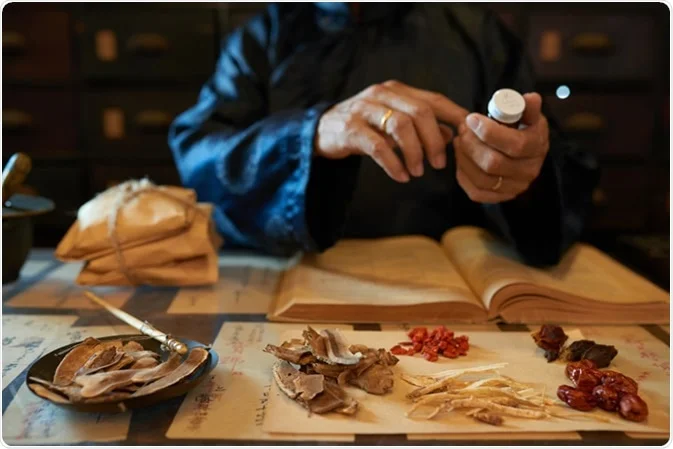
Traditional remedies such as ginger and cinnamon are gaining renewed global attention—not just as culinary ingredients, but as evidence-based therapeutic tools. This growing interest is at the heart of discussions taking place at the second World Health Organization summit on Traditional, Complementary and Integrative Medicine (TCIM), held in India this week.
Despite the fact that 40–90% of people worldwide rely on traditional medicine in some form, less than 1% of global health research funding is currently dedicated to studying it. Significant regional gaps also persist, with many countries still lacking national policies governing TCIM.
To explore why this gap exists—and whether traditional medicine can meaningfully complement modern healthcare—UN News spoke with Rabinarayan Acharya, Director General of India’s Central Council for Research in Ayurvedic Sciences (CCRAS), a key partner of the World Health Organization.
Ayurveda: More Than a Treatment
According to Acharya, Ayurveda is both a medical system and a way of life. Rooted in lifestyle balance, diet, and ethical conduct, it prioritizes disease prevention, healthy ageing, and long-term wellbeing, rather than focusing solely on symptom treatment.
This holistic approach, he notes, aligns closely with modern public-health goals—particularly in addressing non-communicable diseases, which are often driven by modifiable factors such as poor diet, stress, inactivity, and environmental exposure.
Why the Evidence Gap Exists
Acharya explains that limited funding for traditional medicine research stems not from lack of relevance, but from methodological challenges. Systems like Ayurveda are complex and individualized, making them difficult to study using conventional biomedical research models.
To address this, CCRAS conducts rigorous clinical and public-health research that integrates classical Ayurvedic principles with modern scientific and ethical standards—covering drug development, medicinal plants, epidemiology, and health-systems research.
WHO’s Strategy for Integration
The WHO’s Global Traditional Medicine Strategy 2025–2034 aims to strengthen the evidence base, safety, effectiveness, and responsible integration of traditional medicine into national health systems.
Acharya emphasizes that progress will require:
- Sustained investment in high-quality research
- Evidence-informed integration into health policy
- Recognition of traditional medicine as a complement, not a replacement, to conventional care
Evidence-Based Examples
One promising example is Withania somnifera (Ashwagandha), long used in Ayurveda as an adaptogen. Clinical studies suggest it may help reduce symptoms of anxiety and depression, while remaining generally safe and well tolerated—highlighting its potential role in mental-health care when used responsibly.
Cautious Optimism for the Future
As health systems worldwide face mounting pressure from ageing populations, chronic disease, and limited resources, Acharya expresses measured optimism that more countries will integrate validated traditional medicine practices into their healthcare frameworks.
“Integration does not mean replacement,” he notes, “but alignment with public-health priorities where evidence supports it.”