


Holocaust survivor Marion Blumenthal Lazan delivered a deeply moving testimony at the United Nations Holocaust Memorial ceremony in New York, urging people everywhere to confront hatred by choosing “love, respect and compassion” in their daily lives.
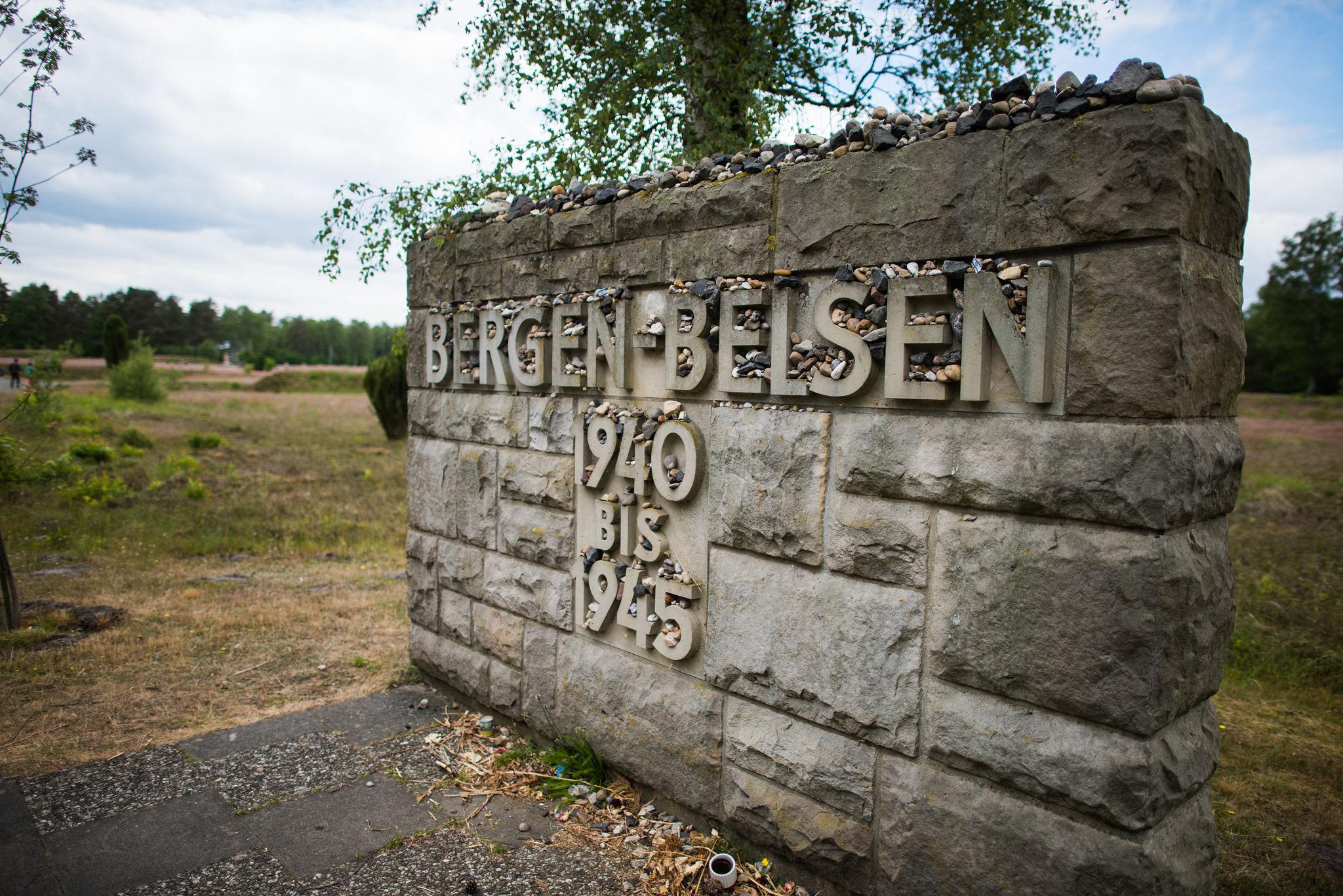
Addressing the General Assembly Hall alongside one of her great-grandchildren, Mrs. Lazan recounted her childhood under Nazi persecution—describing a journey from a comfortable life in northwest Germany to detention, deportation, and survival in Bergen-Belsen concentration camp.
“We children saw things that no one, no matter what the age, should ever have to see,” she told delegates.
From ordinary life to persecution
Born in Hoya, Germany, Mrs. Lazan described how her family’s life changed dramatically after the Nuremberg Laws of 1935 stripped Jewish families of their rights.
On Kristallnacht in November 1938, their home was ransacked and her father was deported to Buchenwald concentration camp, released only weeks later because the family had secured emigration papers.
In 1939, the family fled to the Netherlands, hoping to reach the United States—but history intervened.
Trapped and deported
After Germany invaded the Netherlands in 1940, the family was interned in Westerbork transit camp, which later became a departure point for mass deportations to extermination camps.
“Every Tuesday morning, men, women and children were marched to the trains,” she recalled.
“Of the 120,000 deported from Westerbork, 102,000 never returned.”
In January 1944, nine-year-old Marion and her family were transported in cattle cars to Bergen-Belsen, arriving on a freezing, rain-soaked night.
Life in Bergen-Belsen
Mrs. Lazan described conditions of extreme overcrowding, starvation, disease and terror:
- 600 people crammed into barracks built for 100
- One thin blanket for two people in bitter winter cold
- Minimal food—often just bread and watery soup
- No sanitation, soap, or privacy
- Regular roll calls lasting all day without food or water
She recalled treating frostbite with urine for warmth, tripping over uncollected bodies, and living in constant fear.
“Fear was the worst emotion to deal with,” she said.
A child’s survival instincts
To cope, she created games of imagination. One superstition sustained her: if she could find four matching pebbles, it meant her family would survive.
Her mother’s courage and strength, she said, were decisive in her survival. She recalled a moment when boiling soup spilled onto her leg during a secret cooking attempt—and how, at age ten, she knew that crying out could mean death.
Liberation and loss
In spring 1945, the family was transported again—this time toward extermination camps in Eastern Europe. After 14 days without food or water, their train was liberated by the Soviet army near Troibitz, Germany.
Only 500 of the 2,500 people on board survived.
Though liberated, tragedy continued. Mrs. Lazan’s father died of typhus six weeks later, after years of imprisonment and abuse.
Rebuilding life in the United States
In 1948, Marion, her mother, and brother emigrated to the United States, settling in Illinois. Unable to speak English, she was placed in a fourth-grade class at age 13.
Through determination, night work, and summer school, she graduated high school ranked among the top students in her class. She later married, raised a family, and today celebrates five generations of survival.
A message to the world
Holding the yellow star she was forced to wear as a child, Mrs. Lazan warned of the dangers of hatred and dehumanisation.
“Each and every one of us must do everything in our power to prevent such hatred from recurring.”
Her message was simple—and urgent:
“How we treat, behave, and reach out to one another—that is entirely up to us.”
“Do not let negativity win. Choose love, respect and compassion.”