

13 February 2026 | Peace and Security
Syria’s fragile political transition has taken an important step forward following a landmark agreement between Damascus and Kurdish authorities in the northeast. However, renewed violence in other regions, Israeli military activity, and deep humanitarian needs continue to threaten stability.
Breakthrough in the Northeast
Briefing the Security Council, Deputy Special Envoy Claudio Cordone described the 30 January ceasefire and integration agreement between the Syrian Government and the Syrian Democratic Forces (SDF) as potentially transformative.
The agreement includes:
- Phased military and administrative integration of northeast Syria
- Provisions for the return of displaced persons
- Protection of Kurdish civil and educational rights
- Implementation measures linked to Presidential Decree 13
Cordone reported that hostilities have ceased in the northeast and implementation planning is progressing, including deployments of Ministry of Interior forces in Al-Hasakeh and Qamishli.
The United Nations Security Council welcomed the deal in a presidential statement, urging adherence to prevent civilian suffering and avoid security gaps around ISIL (Da’esh) detention facilities.
Sensitive ISIL detention issue
The UN continues monitoring transfers of Syrian and foreign ISIL suspects to Iraq. Cordone stressed that judicial proceedings must meet fair trial standards and called on Member States to repatriate their nationals swiftly.
The management of detention facilities remains a key security concern.
Ongoing tensions elsewhere
Despite relative calm in the northeast, instability persists:
🔹 Sweida (South)
- Renewed clashes between Government forces and local armed groups
- Damage to infrastructure and electricity outages
- Protests calling for self-determination
🔹 Southern Syria
The UN envoy raised concern over Israeli incursions and operations in southern Syria, urging:
- Respect for international law
- Compliance with the 1974 Disengagement of Forces Agreement
- Withdrawal from occupied areas
- Pursuit of mutually acceptable security arrangements
Humanitarian situation remains severe
According to the United Nations Office for the Coordination of Humanitarian Affairs (OCHA):
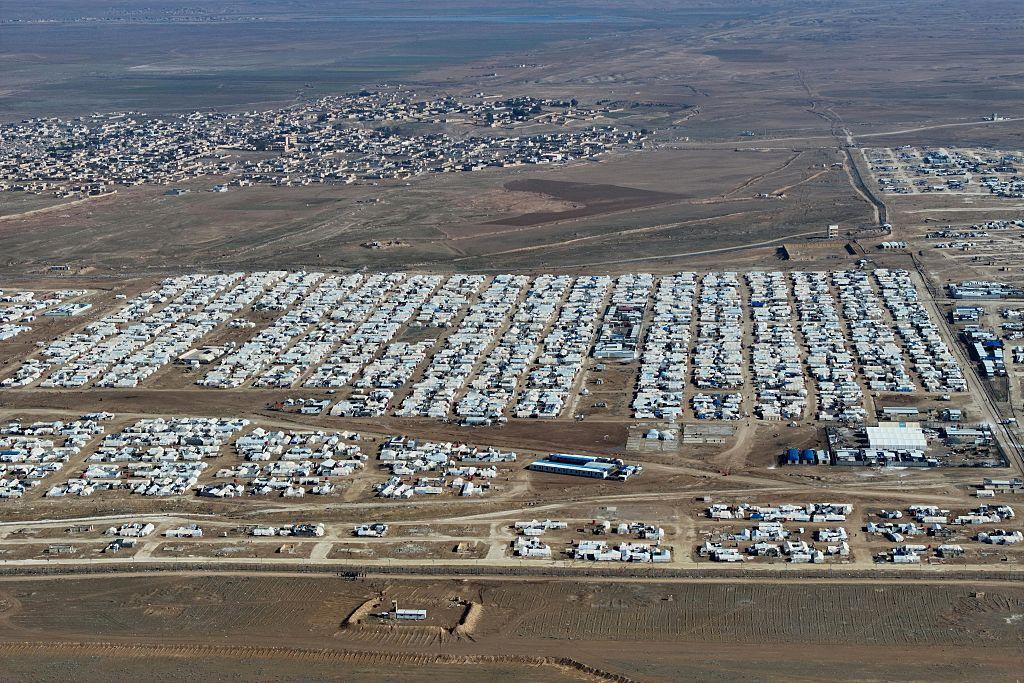
- Around 130,000 people remain displaced across Al-Hasakeh, Ar-Raqqa, and Aleppo
- Over 90% of the displaced are women and girls
- Flooding in Idleb and northern Latakia recently killed two children and damaged around 2,000 tents
However, modest improvements are reported:
- 200,000 people reached with assistance
- 170 humanitarian truck movements organized
- Electricity restored in Ain al-Arab (Kobane)
Political transition milestones
The next key development is the formation of Syria’s new People’s Assembly. Most elected seats were voted in October 2025, with further appointments pending.
Cordone emphasized that:
- All regions and communities must be meaningfully represented
- Human rights protections are essential
- Transitional justice and accountability for missing persons are critical
Role of Syrian women
The Deputy Envoy highlighted the “extraordinary role” of Syrian women and civil society throughout the conflict, stressing that women’s participation is essential for inclusive governance and sustainable peace.