

18 February 2026 | Culture and Education
A new report from UNESCO warns that rapid advances in generative artificial intelligence are reshaping cultural markets — and putting artists’ livelihoods at significant risk.
The findings come from the latest edition of Re|Shaping Policies for Creativity, UNESCO’s flagship global monitoring report covering more than 120 countries.
📉 Projected Income Losses by 2028
According to UNESCO’s projections:
- 🎵 Music creators could see revenues fall by 24%
- 🎬 Audiovisual workers may lose 21% of income
- AI-generated content is expanding rapidly in global markets
- Policy responses are not keeping pace with technological change
The report stresses that these disruptions are unfolding faster than governments can regulate them, increasing economic vulnerability across the creative sector.
🎭 Why Artists Are Under Pressure
While digital platforms have opened new distribution channels, they have also introduced new risks:
- Increased exposure to intellectual property violations
- Reduced compensation per stream or digital use
- Competition from AI-generated outputs
- Opaque algorithms limiting content visibility
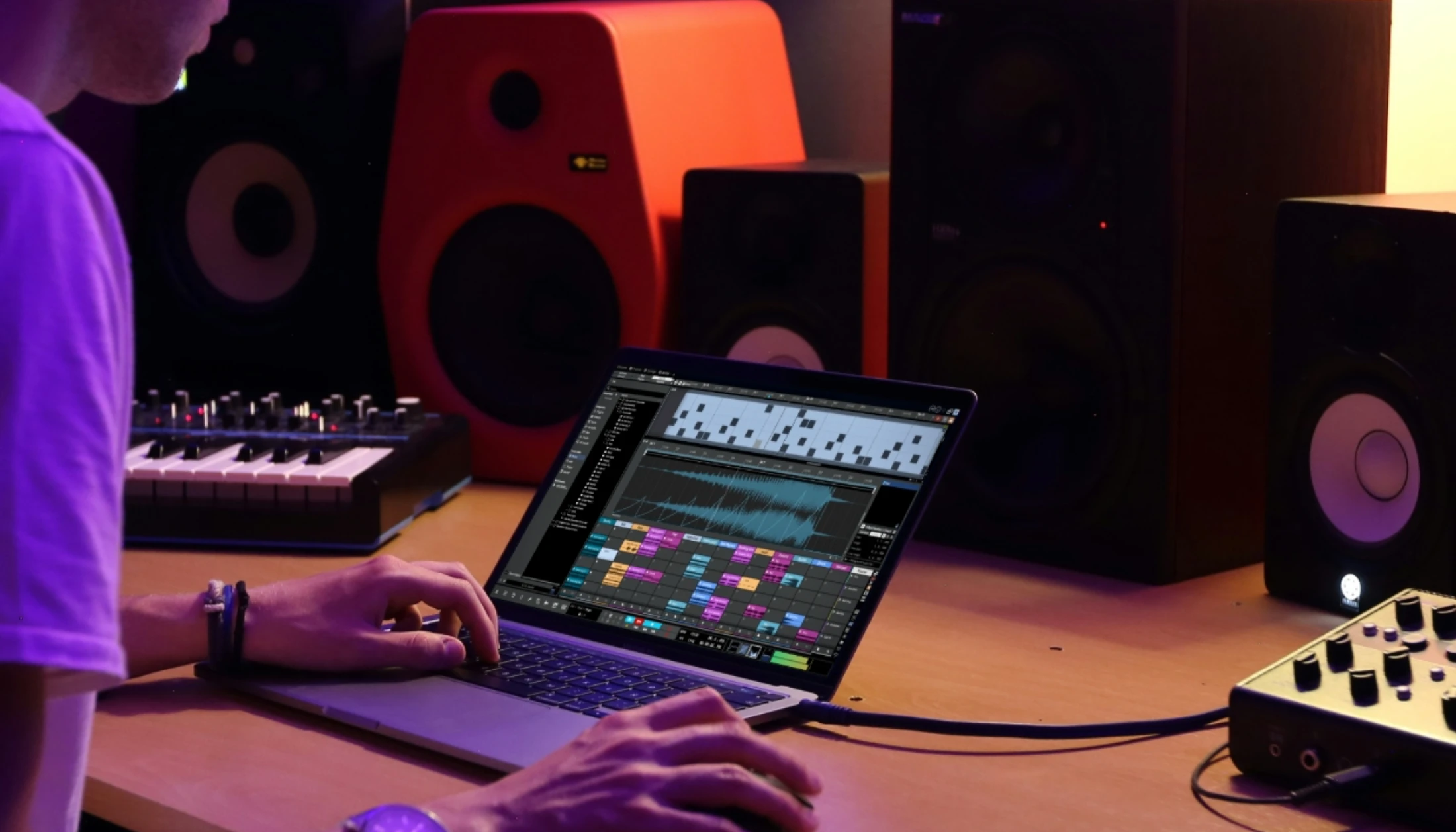
UNESCO warns that AI tools are flooding markets with synthetic music, images, scripts and video content, competing directly with human creators.
🌍 A Growing Creative Digital Divide
Global inequalities compound the problem:
- 67% of people in developed countries possess essential digital skills
- Only 28% in developing countries do
This imbalance limits creators in the Global South from fully benefiting from digital opportunities.
In addition:
- Major streaming platforms dominate global distribution
- Algorithmic visibility favors already-established creators
- Smaller or independent artists struggle for exposure
This widens disparities within the creative economy.
🏛️ Policy Gaps and Needed Action
UNESCO Director-General Khaled El-Enany described the current moment as a turning point for the global creative economy.
The report reviews over 8,100 cultural policy measures and calls for:
- Stronger copyright protections
- Fair remuneration systems
- Transparent AI training datasets
- Regulation of generative AI markets
- Increased public investment in cultural sectors
- International cooperation on digital governance
Without intervention, UNESCO warns that artists risk further marginalization as technology evolves.
🔎 Broader Implications
This is not only an economic issue.
Creative industries contribute to:
- Cultural diversity
- Social cohesion
- Democratic discourse
- Economic growth
- Sustainable Development Goals
If creators’ incomes decline sharply, long-term cultural sustainability may weaken.