

Climate change
Climate change poses a significant threat to economic, social and environmental development in Africa. There is strong evidence that warming in Africa has increased significantly over the past 50 to 100 years, with clear effects on the health, livelihoods and food security of people in Africa. Climate change is likely to lessen crop yields, increase water scarcity, aggravate biodiversity loss and contribute to desertification, hence imposing a severe challenge on the continent.
Hunger and malnutrition
The number of persons suffering from hunger continues to rise, particularly in 2019-2020. The worsening of the state of food security and nutrition in Africa is spurred on mainly by conflicts, climate change and economic slowdowns following the COVID-19 pandemic.
The 2021 report, entitled “Africa, Regional Overview of Food Security and Nutrition,” published by the African Union Commission, FAO and the UN Economic Commission for Africa, calls for all of the continent’s countries to transform the food industry. Countries will need to invest in agriculture and related sectors, as well as in water, health, and in education services to reduce vulnerabilities and build capacities to withstand shocks.
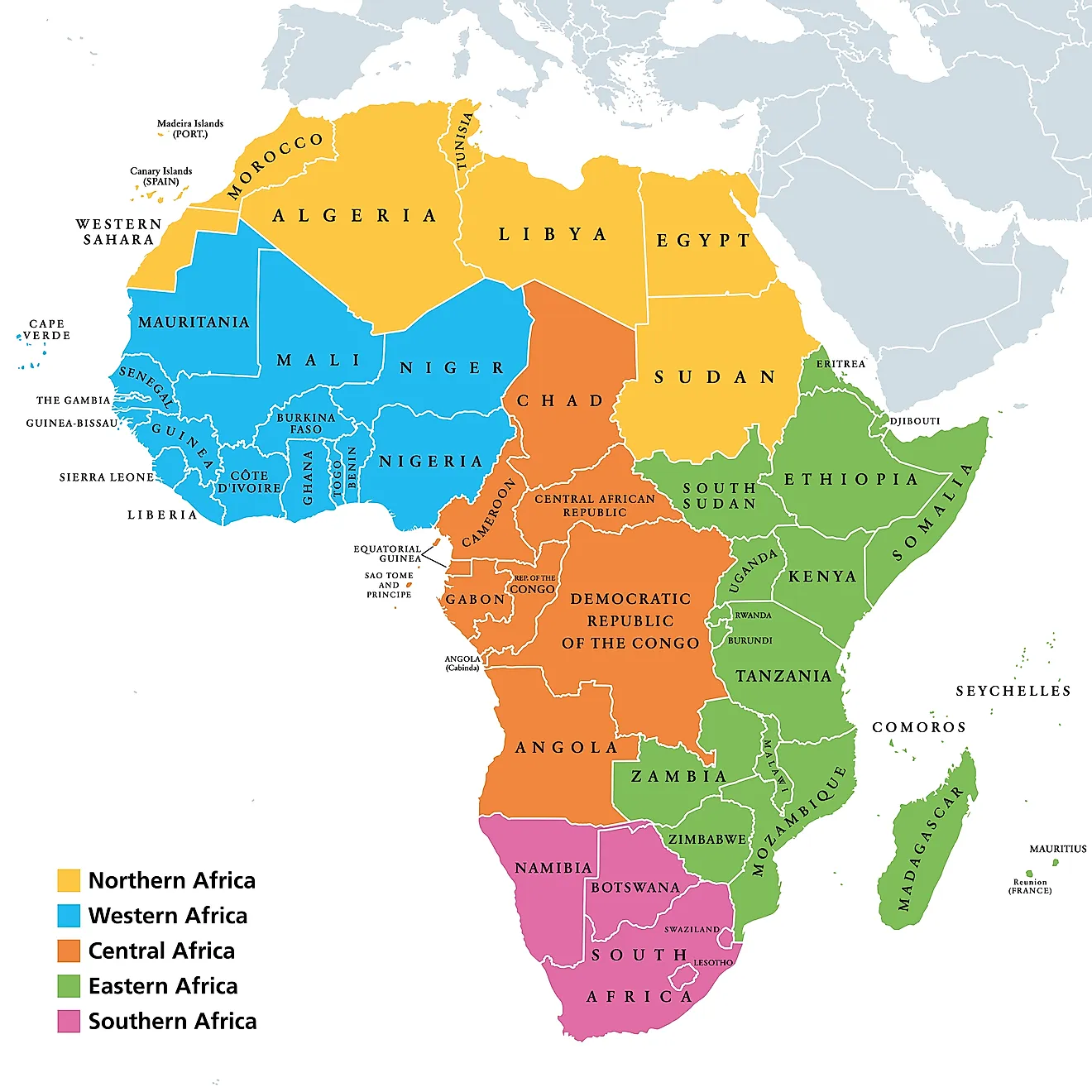
In 2020, 281.6 million of Africans suffered from hunger. According to the report, the numbers vary across the subregions; the number of undernourished people reaches about 44% in Eastern Africa, 27% in Western Africa, 20% in Central Africa, 6,2% in Northern Africa and 2,4% in Southern Africa.
Ebola
On 23 March 2014 WHO’s African Regional Office reported an outbreak of Ebola virus disease in Guinea. It has quickly spread to other countries in West Africa. The outbreak has been the largest and most complex Ebola outbreak since the Ebola virus was first discovered in 1976. The Ebola epidemic in West Africa has destroyed lives, decimated communities, and orphaned children in the affected countries. More than 11,000 people have died of the disease. The epidemic has slowed down economic growth and closed businesses, affecting the livelihood of millions of the poorest and most vulnerable people in the region. As part of the response, on 19th September 2014, the international community established the first ever emergency health mission the UN Mission for Ebola Emergency Response. The mission closed on 31 July 2015, having achieved its core objective of scaling up the response on the ground.
Peacekeeping
Addressing the challenges posed by protracted conflicts and longstanding disputes on the African continent has been a major focus for the UN. In 1960 the first peacekeeping operation in Africa was deployed in the Republic of the Congo to ensure the withdrawal of Belgian forces and to assist the Government in maintaining law and order.
Since then thousands of peacekeepers have been deployed in more than 30 peacekeeping operations to African countries, including Angola, Mozambique, Somalia, Sierra Leone, Ethiopia and Eritrea, Burundi and Sudan. The latest peacekeeping mission was established in 2014 in the Central African Republic.